Product Categories

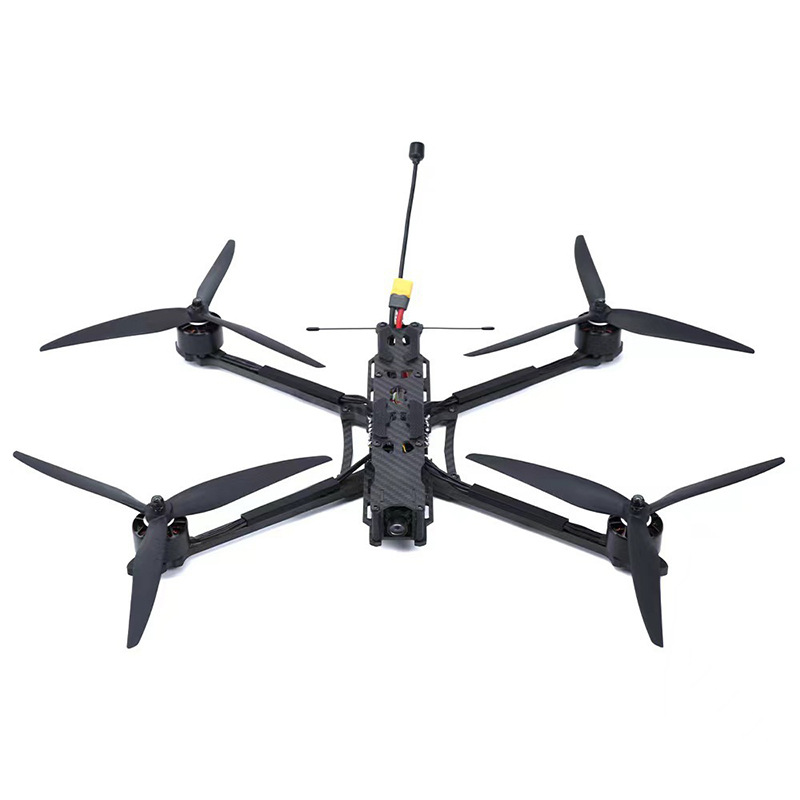
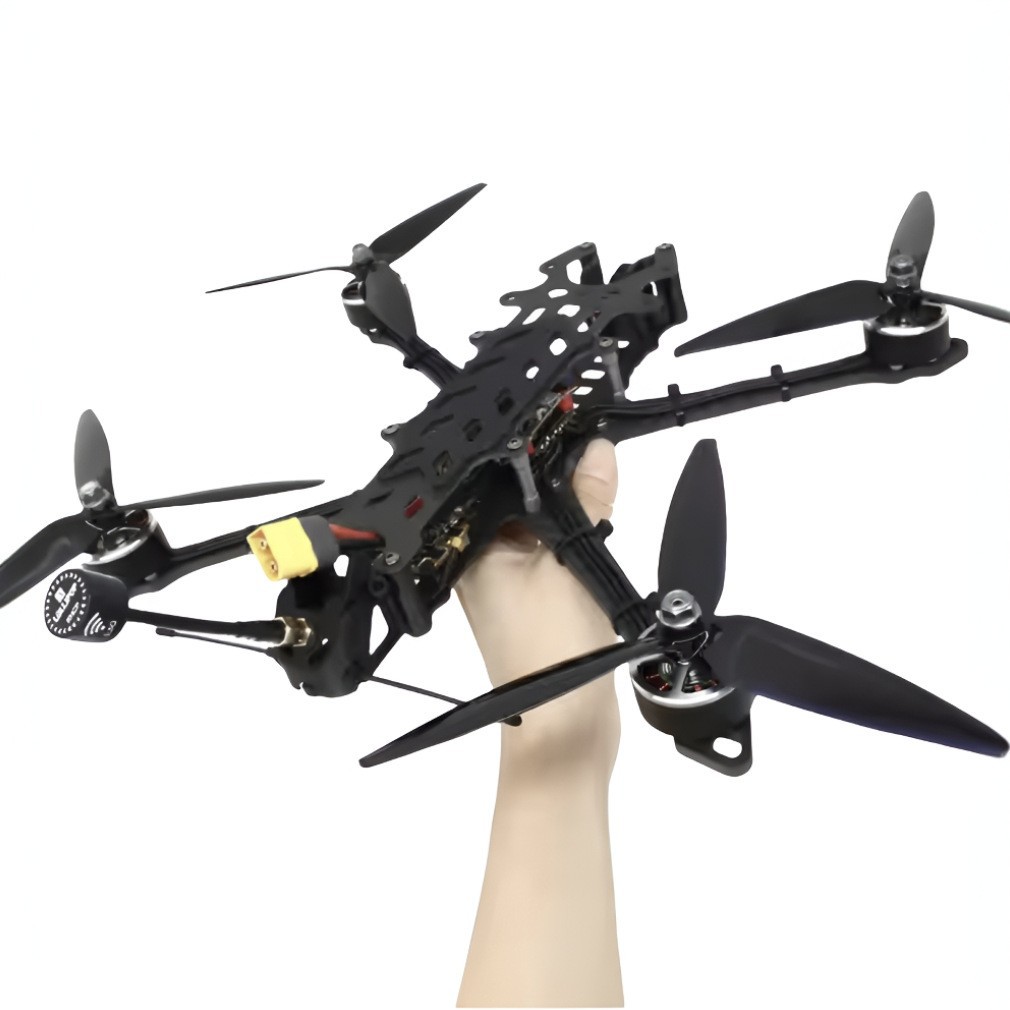
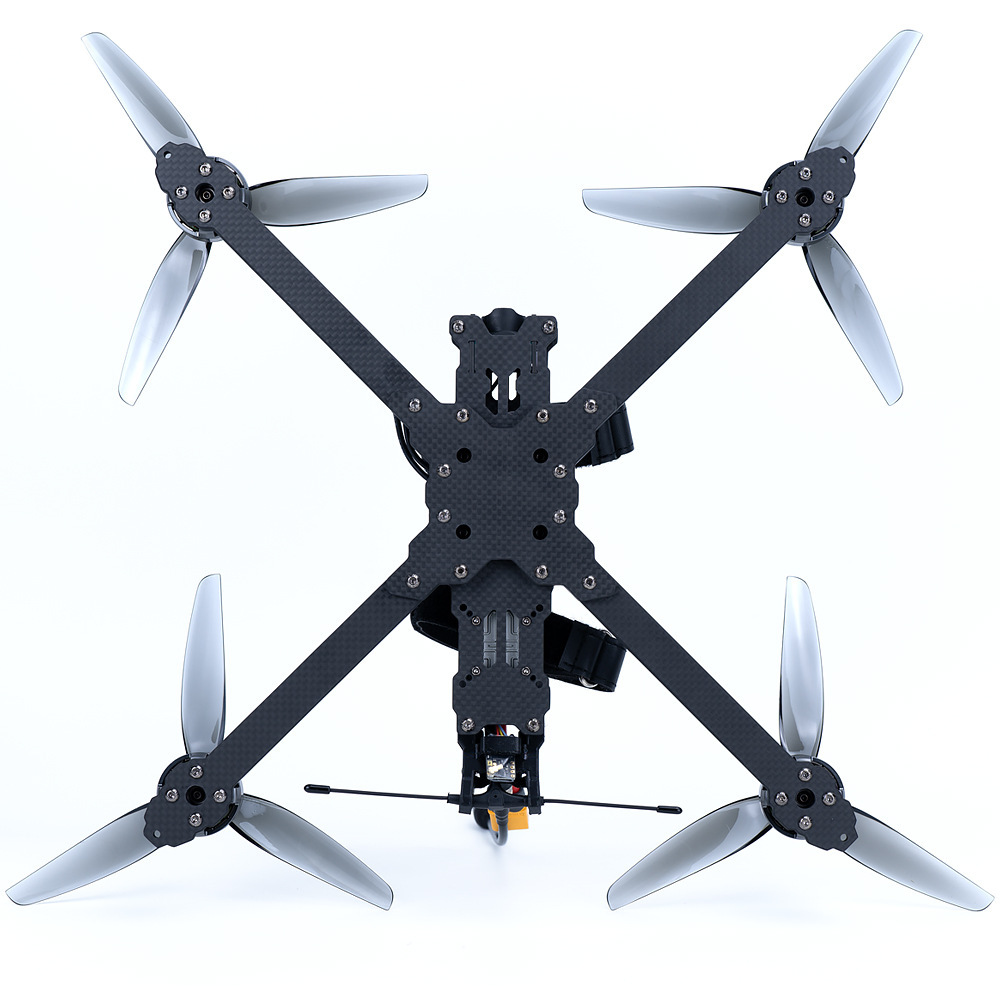
UMI701 7 Inch FPV Drone

Net Weight: 540g

Frame: 7-inch frame

Wheelbase: 312mm

Size: 276mm*242mm*45mm

Material: 3K T300 carbon fiber

Flight control: UMI BL F405 (optional)

ESC: UMI 55A 4-in-1

Image transmission: UMI 5.8G 3W image transmission (optional)

Camera: UMI1500TVL low-latency FPV camera (optional)

Motor: UMI 2807 1350KV

Propeller: 7040 (PC)

Recommended battery: 6S 8000 10-50C XT60 plug

A 7-inch FPV drone is arguably the most popular and versatile size for serious long-range, cinematic, and high-performance freestyle flying

Core Characteristics & Ideal Uses

  • Long Range & Endurance: The larger frame can carry larger batteries (typically 6S 1500-2800mAh). This allows for flight times of 8-15+ minutes, covering significant distances.

  • High Speed & Stability: The larger props (usually 6-7 inches) are efficient at moving air, providing great stability in wind and a smooth, "locked-in" feel at high speeds.

  • Cinematic Excellence: The combination of stability and long flight time makes it the premier choice for capturing smooth, sweeping cinematic footage.

  • Freestyle (Pro Level): While heavier than a 5-inch, a lightweight 7-inch build can be incredibly agile. However, its size makes crashes more consequential.

  • Not for Beginners: This is not a starter drone. It's larger, more powerful, more expensive, and requires more space to fly safely.


Key Components for a 7-inch Build

1. Frame:

  • Material: Primarily carbon fiber. Look for a true 7" arm length frame (not a 5" stretched to 7").

  • Style: Often "deadcat" or "X" style. Deadcat is popular because it keeps the props out of the camera view when filming.

  • Top Brands: ImpulseRC Apex 7", TBS Source One v3 (7" arms available), Flywoo Explorer LR, iFlight Chimera 7.

2. Motors:

  • Size: 2806.5 to 2808 is the modern sweet spot for a balance of power and efficiency. Some use 2507 for ultra-light builds or 3008+ for heavy lifters.

  • KV (RPM per Volt): For 6S batteries, aim for 1500-1900KV. Lower KV (e.g., 1500-1600) for efficiency and long range. Higher KV (e.g., 1700-1900) for more aggressive freestyle.

  • Key Spec: Look at thrust-to-weight ratio and efficiency (grams per watt).

3. Electronic Speed Controllers (ESCs) & Flight Controller (FC):

  • Stack: A 20x20mm or 30x30mm stack is common.

  • ESC Amperage: 45A-60A continuous per motor is standard. A 4-in-1 ESC rated for 45A-60A is typical.

  • FC: Ensure it has the features you need (Bluetooth, Blackbox, enough UARTs for GPS, remote receiver, etc.). F7 or H7 processors are recommended.

4. Propellers:

  • Size: 7-inch diameter. Pitch varies (e.g., 7x3, 7x3.5, 7x4). Lower pitch for efficiency, higher pitch for top speed.

  • Blade Count: Most common are biblades (best efficiency) and triblades (more grip/aggression, less efficient).

5. Battery:

  • Voltage: Almost exclusively 6S (22.2V). Some ultra-long-range builds use Li-Ion packs (e.g., 6S2P 18650/21700) for incredible efficiency.

  • Capacity: 1500mAh to 2800mAh LiPo. 1500-1800mAh for lighter freestyle, 2200-2800mAh for long-range/cinematic.

  • C-Rating: 80C+ is sufficient due to the efficient motor/prop combo drawing less peak current than 5-inch.

6. FPV System (VTX & Camera):

  • VTX: 1W (1000mW) output is standard. Look for a clean, high-quality VTX with good heat dissipation. Digital (DJI O3 Air Unit, Walksnail Avatar HD) is now dominant for cinematic/long-range due to superior video quality.

  • Camera: For Analog, a high-quality CMOS or CCD (like Runcam Phoenix 2). For Digital, it's part of the system (O3 camera, Walksnail camera).

7. Radio Receiver:

  • Protocol: ExpressLRS (ELRS) is the absolute standard. Use at least 2.4GHz with 250Hz-500Hz refresh rate. 900MHz is an option for extreme long range with less packet density.

8. Crucial Add-ons for Long-Range:

  • GPS Module: Essential for safety. Enables return-to-home (RTH), GPS rescue, and provides coordinates/speed data.

  • Compass (Magnetometer): Often integrated with GPS. Needed for proper directional navigation in RTH.

  • Beeper/Buzzer: With its own battery (e.g., Vifly Finder 2) in case the main battery is ejected in a crash.


Popular Pre-Built & BNF (Bind-N-Fly) 7" Drones

  • iFlight Chimera 7: A classic, highly-regarded long-range BNF.

  • GepRC Mark 5 (7"): Known for excellent performance and build quality.

  • Flywoo Explorer LR 7": Purpose-built for extreme long-range efficiency.

  • Diatone Roma F7 (7"): A solid, well-rounded option.

Digital vs. Analog for 7-inch

  • Digital (DJI O3, Walksnail, HDZero): Highly recommended. The superior video quality dramatically improves the long-range and cinematic experience, reducing pilot fatigue. O3 offers incredible integrated recording.

  • Analog: Lower cost, lighter weight, and ultra-low latency, but poor range/image quality in comparison. Becoming niche for specific racing/freestyle use.

Important Considerations & Safety

  • Regulations: Know your local laws (registration, remote ID in the US, no-fly zones). A 7-inch drone is very visible and audible.

  • Location: You need a large, open, and legal area to fly. Never fly near people, animals, or property.

  • Skill Requirement: Master flying a 5-inch or a simulator (like Liftoff, Velocidrone) first. The power and inertia of a 7-inch require more anticipation.

  • Maintenance: Larger drones are more complex. Carry spare arms, props, and tools.


Related Products

Consultation