Product Categories

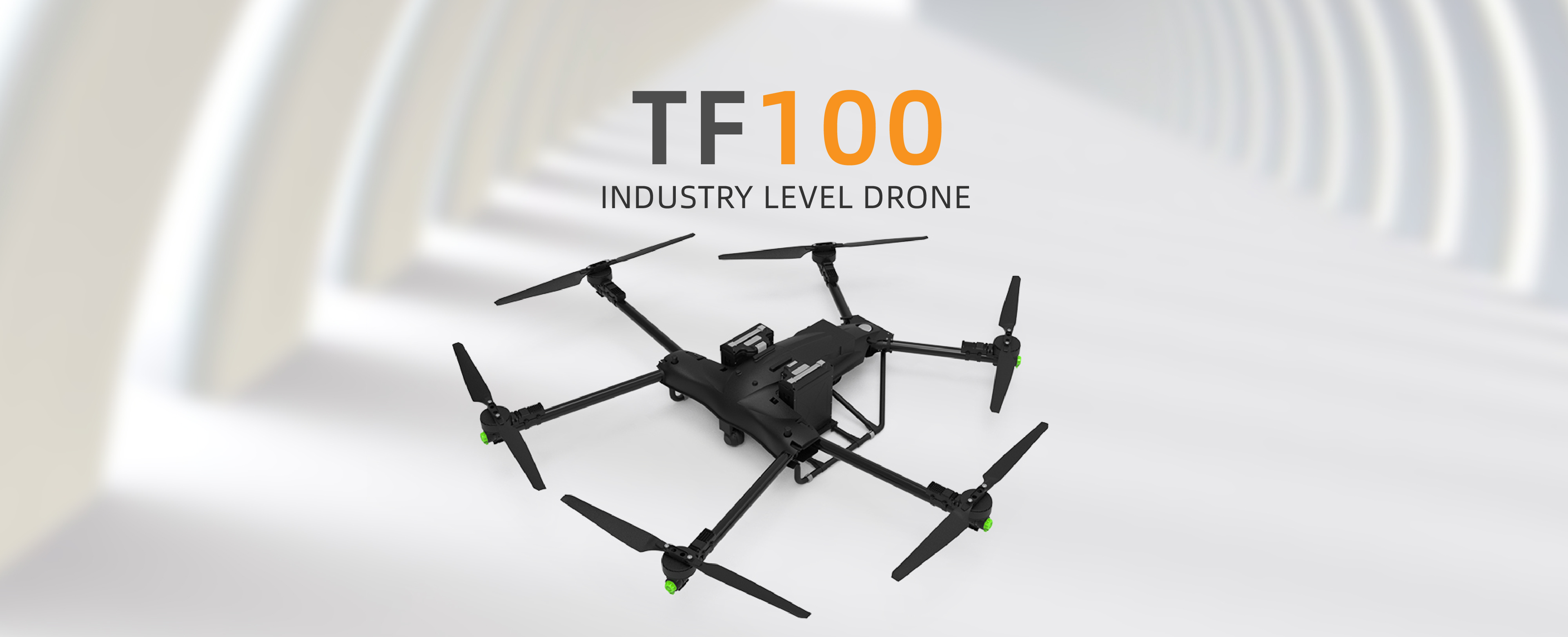
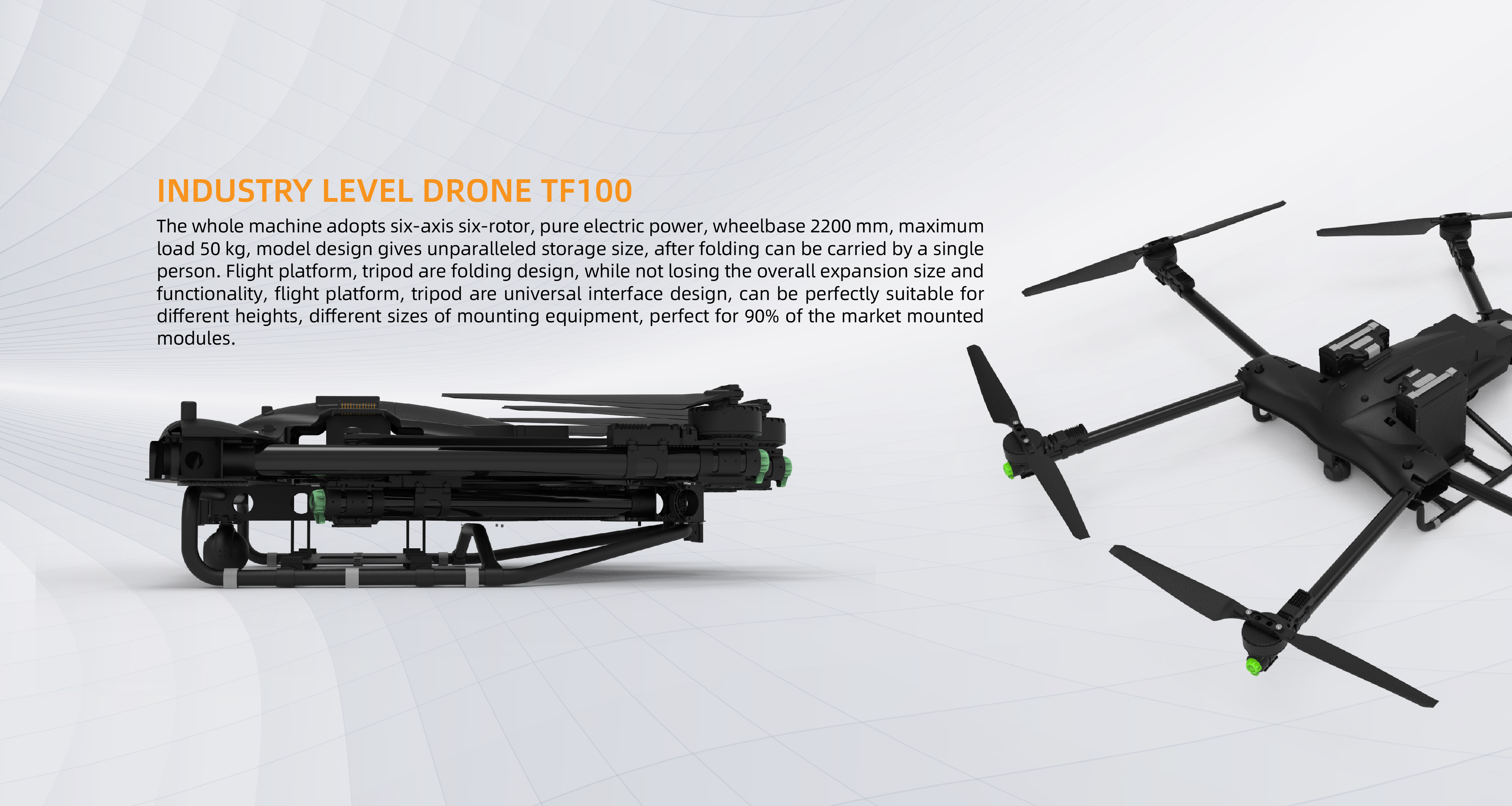
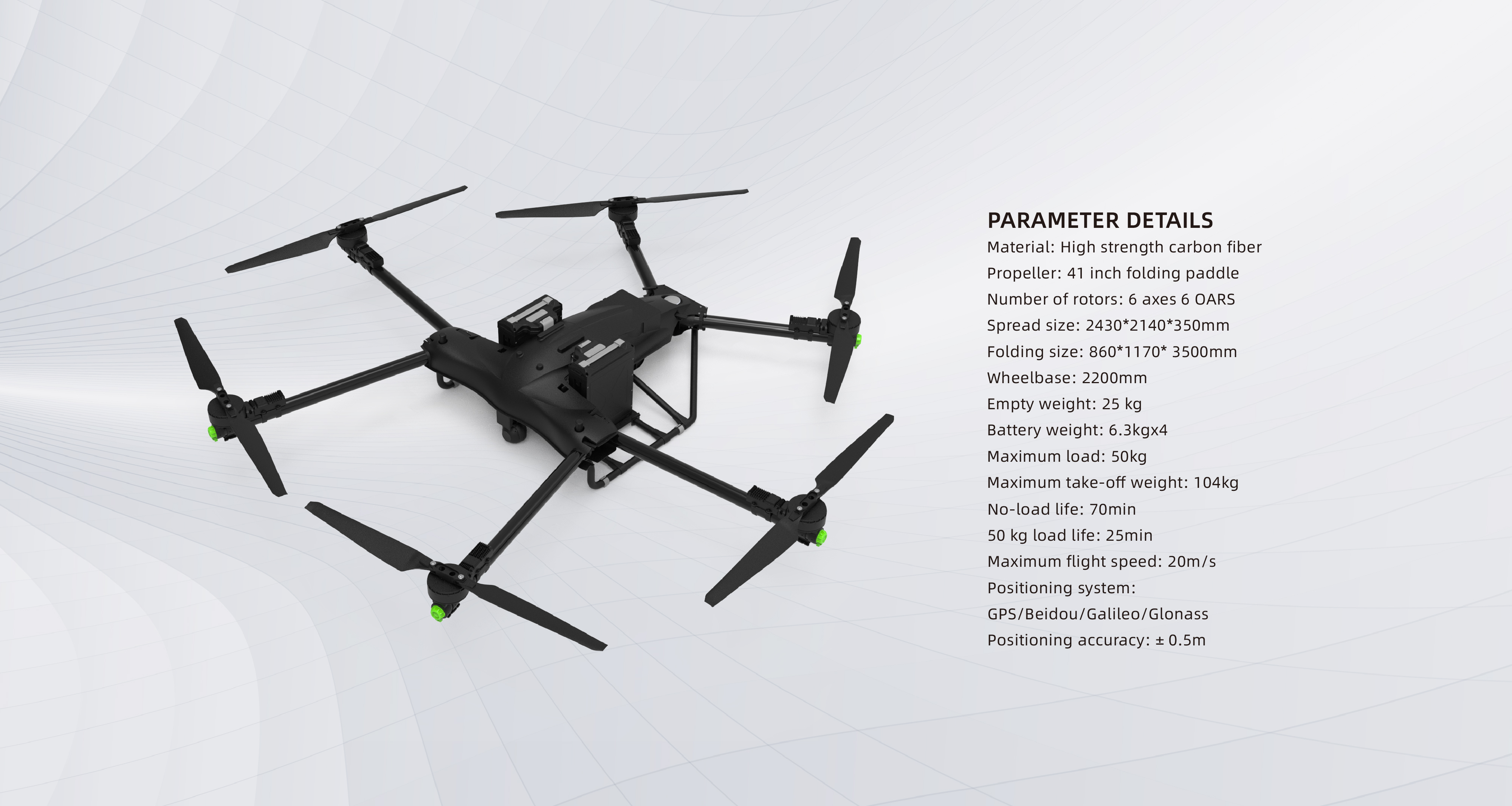
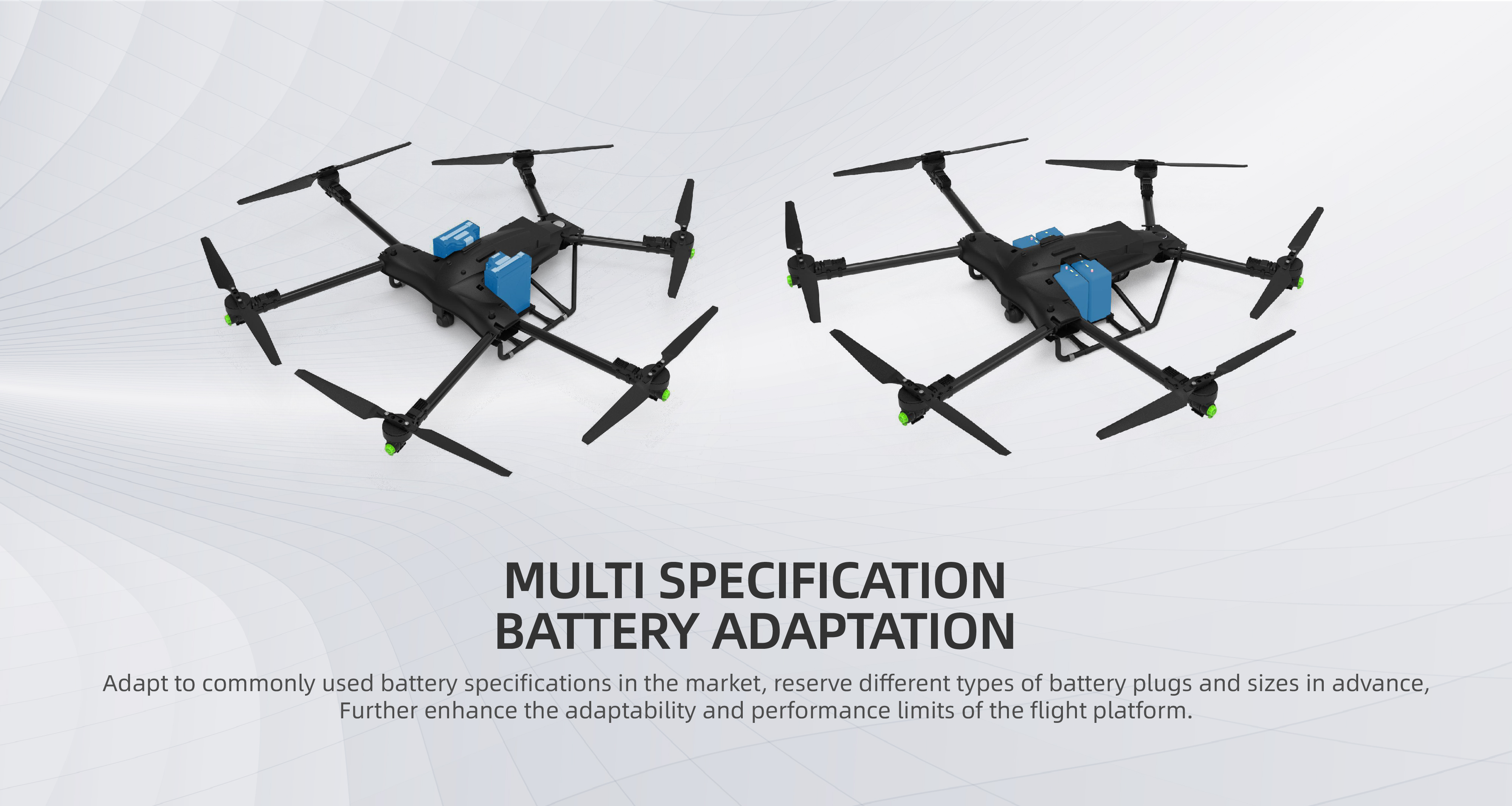
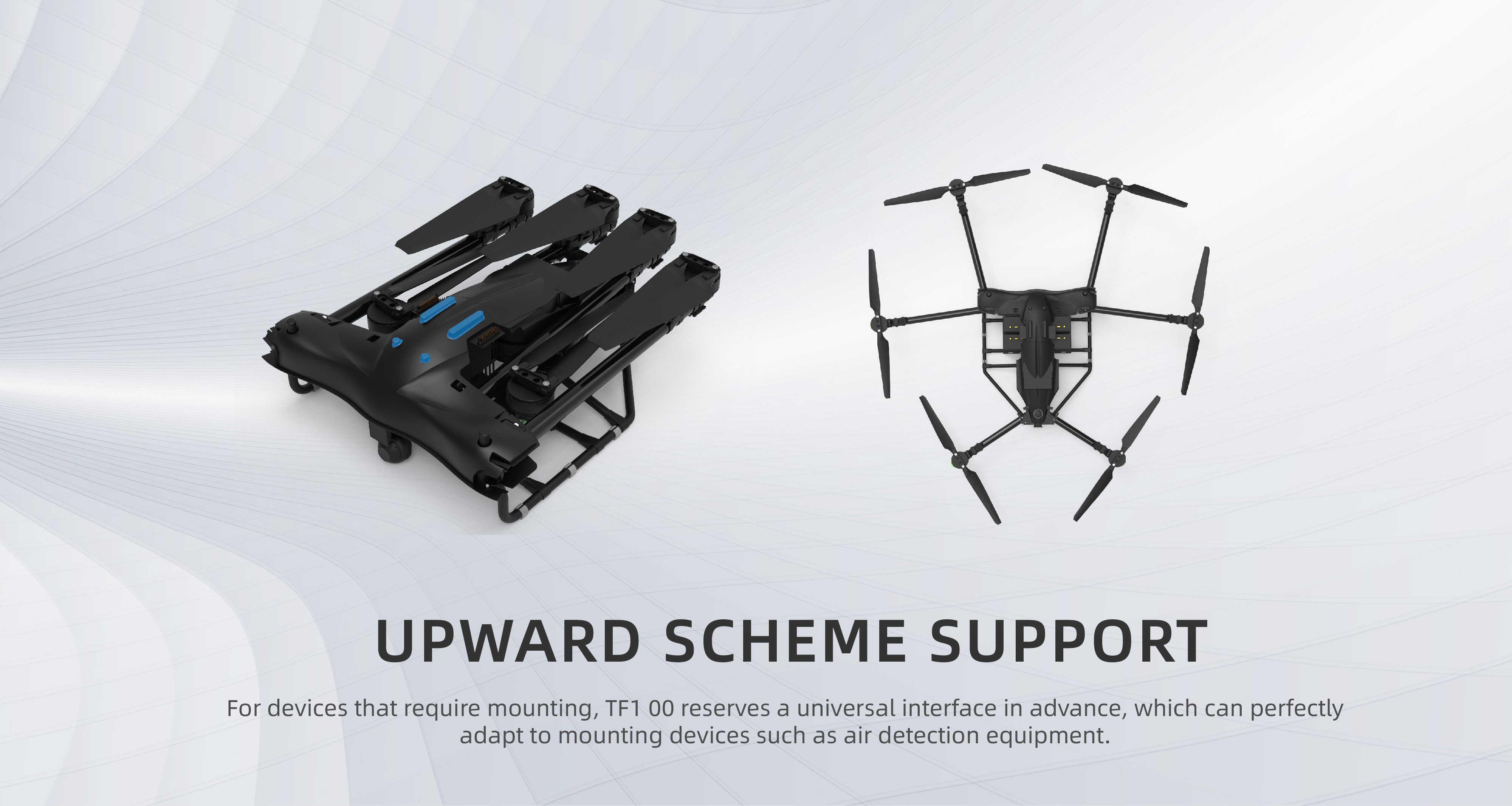
TF100 Industrial UAV Drone

Core Characteristics (vs. Consumer Drones)

  • Purpose-Built: Designed for specific tasks like mapping, inspection, or cargo.

  • Robust & Reliable: Often have higher ingress protection (IP) ratings for dust/water resistance and operate in wider temperature ranges.

  • Enhanced Payloads: Can carry specialized sensors (LiDAR, multispectral, thermal, gas detectors) beyond just cameras.

  • Data Integration: Focus on capturing and processing data (point clouds, orthomosaics, thermal maps) that feeds into other software (GIS, BIM, analytics platforms).

  • Regulatory Compliance: Often operated under specific commercial drone regulations (e.g., FAA Part 107 in the US, EU drone categories) and may require licensed pilots.

  • Platform Variety: Include multi-rotors (for stability and VTOL), fixed-wing (for long-range mapping), and hybrid VTOL models.

Major Industrial Applications

Application Sector Primary Uses Typical Sensors
Surveying & Mapping Topographic surveys, volumetric measurements (stockpiles), construction site progress monitoring, creating orthomosaics and 3D models. High-res RGB camera, LiDAR, RTK/PPK GPS for cm-level accuracy.
Infrastructure Inspection Energy: Inspecting power lines, wind turbines, solar farms. Telecom: Cell towers. Oil & Gas: Pipelines, refineries. Zoom camerathermal imaging (for heat leaks/electrical faults), gas detectors.
Agriculture (Precision Ag) Crop health monitoring, variable rate application planning, irrigation management, yield estimation. Multispectralhyperspectral, thermal sensors to generate NDVI maps.
Construction & Engineering Site planning, earthwork volume tracking, progress reporting, as-built vs. design validation. RGB camera, LiDAR. Often integrated with software like Autodesk Civil 3D or Bentley Systems.
Mining & Aggregates Stockpile management, blast planning, pit and slope stability monitoring, haul road optimization. High-res RGB, LiDAR for volumetric data.
Public Safety & Emergency Search and rescue, firefighting hotspot identification, disaster assessment, hazardous material detection. Thermal camera, zoom camera, loudspeaker, payload droppers.
Logistics & Warehousing Indoor/outdoor inventory management in large yards, automated inventory checks, intra-facility transport. RFID scanners, barcode readers. (Delivery drones are a distinct subset).
Environmental Monitoring Tracking wildlife, mapping deforestation, assessing flood/erosion damage, water quality sampling. Multispectral, thermal, methane sensors.

Key Features & Technologies

  1. RTK/PPK GPS: Provides centimeter-level positional accuracy, critical for surveying and repeatable inspections.

  2. Advanced Sensors: As listed above—the sensor defines the capability.

  3. Long Endurance & Range: Industrial drones often have longer flight times (30-60+ minutes) and more robust communication links.

  4. Data Processing Software: The real value is unlocked in software like Pix4DDroneDeployPropeller Aero, or Esri Site Scan for processing imagery into actionable data.

  5. Safety & Redundancy: Features like dual GNSS, parachute systems, and obstacle avoidance (in complex environments) are common.

  6. Payload Modularity: The ability to swap sensors quickly on the same airframe.

Leading Manufacturers

  • DJI Enterprise (Matrice, Mavic 3 Enterprise series): Dominant market share, wide range of reliable platforms.

  • SenseFly (Parrot/Agagea): Fixed-wing mapping specialists.

  • Intel Falcon 8+: For high-risk, close-quarters inspection (e.g., industrial interiors).

  • Skydio: Known for advanced AI-powered obstacle avoidance, used in inspections and public safety.

  • Autel Robotics Enterprise: Strong competitor to DJI in the inspection space.

  • Quantum-Systems: VTOL fixed-wing for long-range mapping.

Trends & Future Direction

  • Automation & BVLOS: Increased Beyond Visual Line of Sight operations for long linear inspections (pipelines, railways) using automated flight planning and detect-and-avoid systems.

  • AI at the Edge: Onboard AI for real-time analysis (e.g., identifying defects or counting objects during flight).

  • Drone-in-a-Box (DIB): Fully automated systems where the drone launches, flies a mission, lands, charges, and transfers data—all without human intervention.

  • Heavier Payloads & eVTOL: Growth in cargo drones and larger eVTOL aircraft for urban air mobility (transporting people and goods).

In summary, Industrial UAV Drones are flying data acquisition platforms. Their value isn't in the flight itself, but in the efficiency, safety, cost-reduction, and data-driven insights they provide to traditional industries.

Related Products

Consultation