- Home
- >
- PFV Drone >
- Cleaning Drone >
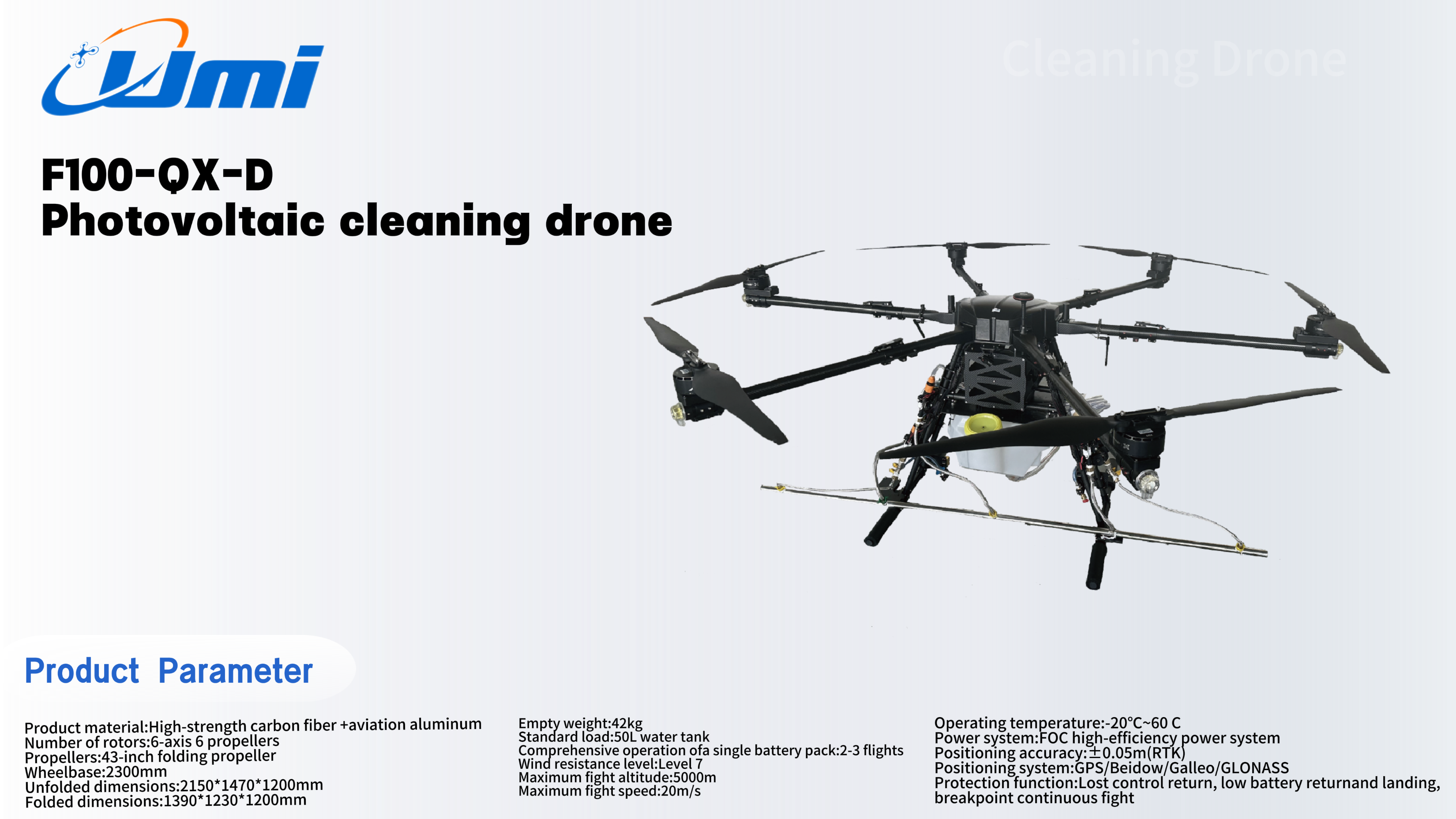
- F100-QX-D UAV Cleaning drone
Product Categories
- FPV Drones
- FPV Battery Charger
- FPV Remote Control
- FPV Screen
- FPV Motor
- UAV Drone
- Cleaning Drone
- Tethered Drone
- Fixed Wing Drone
- Lower the fixed wing
- Drone Mounting
- Fire Nozzle
- Fire Hose
- Fire Bucket
- Dry Power Fire extinguishing tank 10L/20L/30L
- Broken Window fire bomb laucher
- Broken window fire bomb
- 6-way thrower
- Dry powder dire ball
- Dry powder water based fire bomb 15L/25L/50L
- Forest fire extinguishing bomb
- Searchlight
- Light module
- Small load dropping equipment
- Material transport box
- Downcomer
- Fire bomb thrower
- megaphone
- seachlight
- 60mm thrower
- 80mm thrower
- 82-2mm thrower
- 48mm grenade laucher
- Trap net transmitter
- Smock bomb launcher
- High-pressure cleaning kit
- Water intake device
- fire breathing device
- gas detecion equipment
- Water flow meter
- Spraying painting set
- 15kg large load head
- 50kg large load head
- Lidar scaning system
- High-altitude ckeaning kit
- FPV Frame Kits
- FPV Stack
- FPV Camera
- FPV Goggles
- Drone battery
- Lipo Battery
- Lithium-Ion Battery
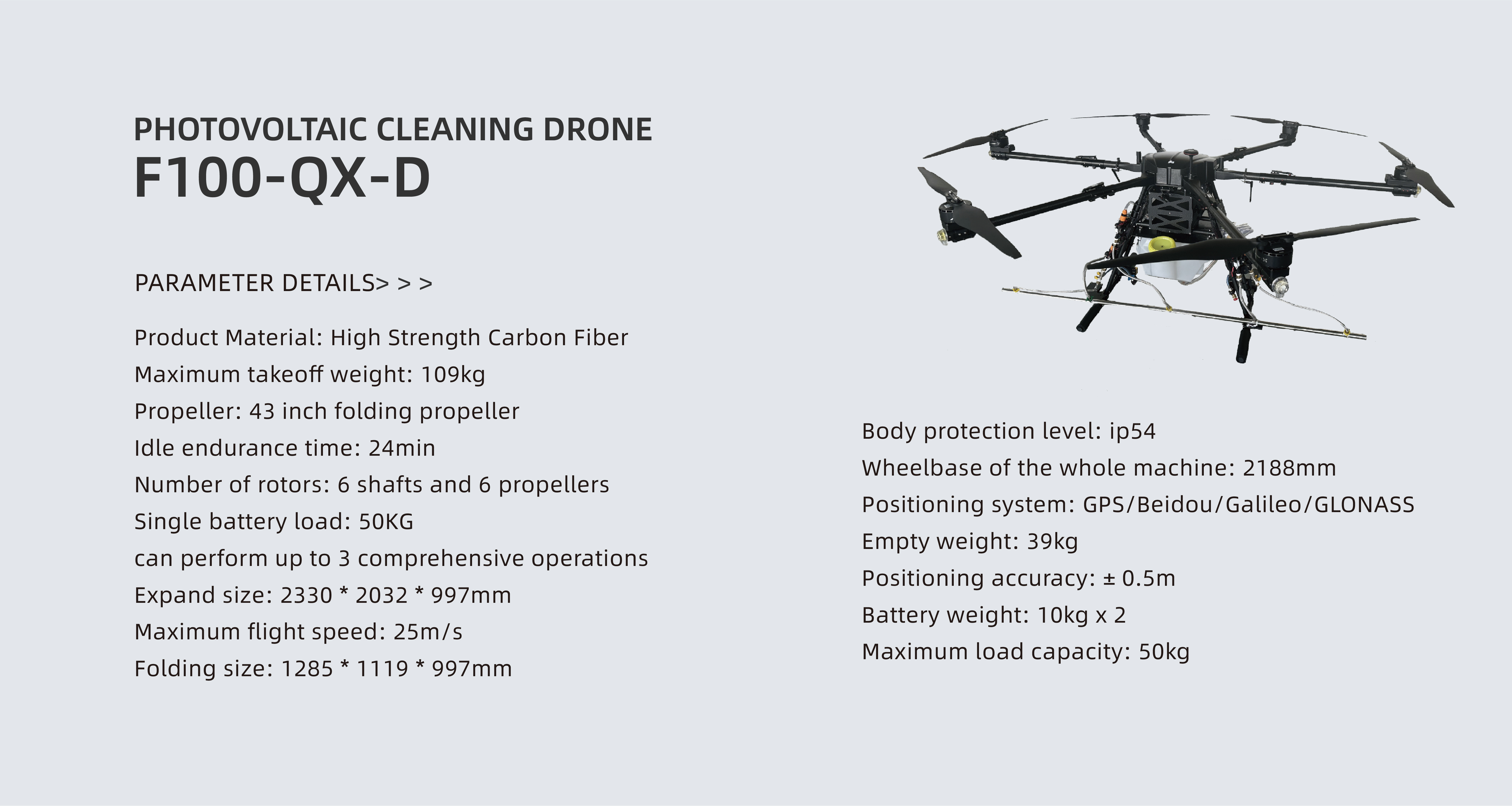
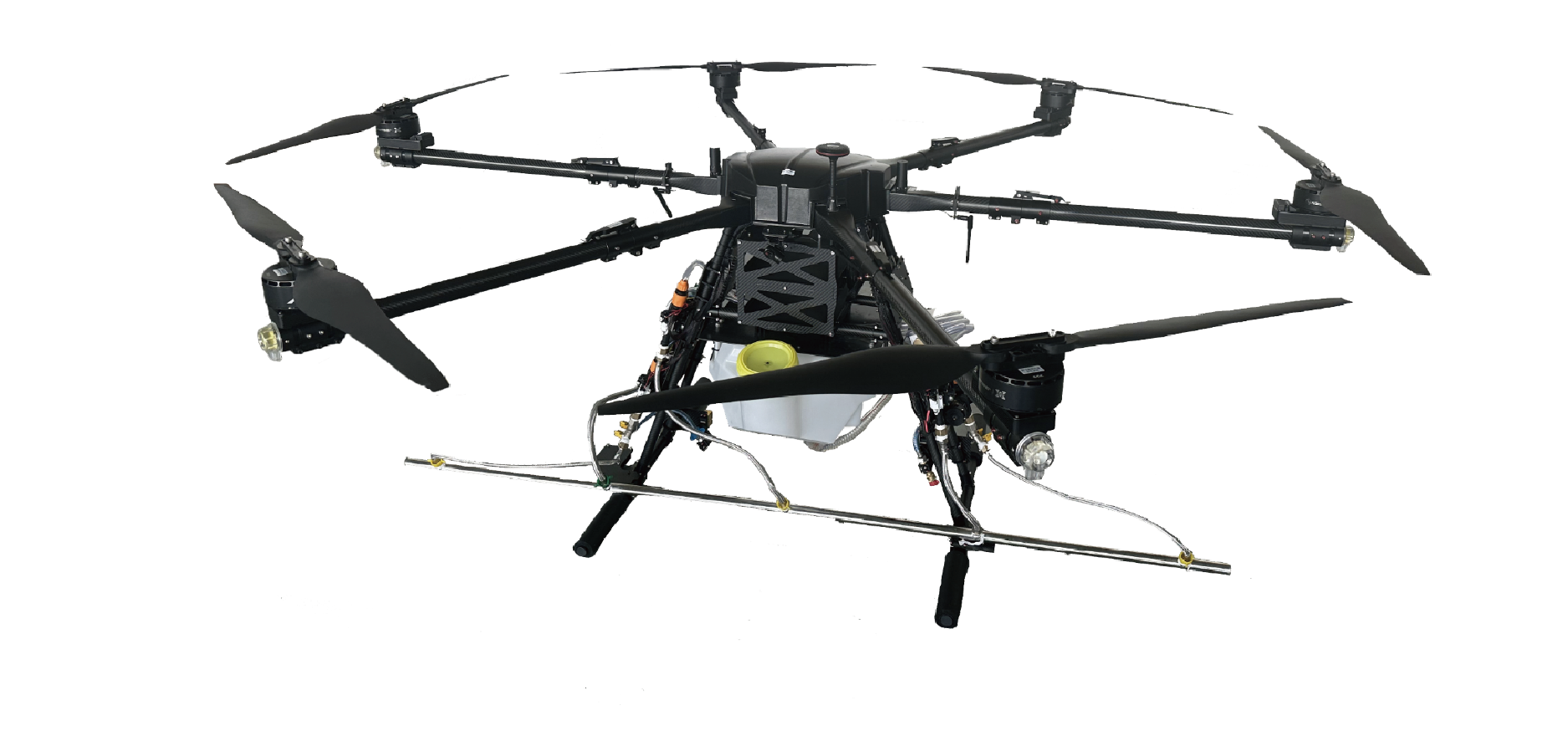
How They Typically Work
-
Aerial Platform: Multirotor drones (often quadcopters or hexacopters) provide stable flight and precise positioning.
-
Cleaning Mechanism: Varies by application:
-
Contact Cleaning: Uses rotating brushes, wipers, or microfiber pads that physically scrub the surface.
-
Non-Contact Cleaning: Sprays water, detergent, or disinfectant; sometimes uses air blasts.
-
Vacuum/Suction: Some models suck up dust and debris (common for indoor use or specific industrial settings).
-
-
Delivery System: Includes onboard tanks for liquid, pumps, and hoses. The drone must manage weight distribution as fluid empties.
-
Navigation & Control:
-
Manual: Piloted by a human via remote control, often with a live camera feed.
-
Semi-Autonomous: Uses GPS, LiDAR, or visual sensors to follow a pre-defined path or maintain a fixed distance from a surface.
-
Fully Autonomous: Programmed for a specific area, using computer vision to identify dirty spots or avoid obstacles (this is more advanced and less common).
-
Primary Types & Applications
1. Building Facade & Window Cleaning Drones
-
Target: Skyscrapers, high-rise windows, glass structures.
-
How: Use extendable arms with rotating brushes and spray nozzles. They recycle water to minimize runoff.
-
Benefits: Eliminates need for scaffolding, cradles, or rope access (improving safety and reducing setup time).
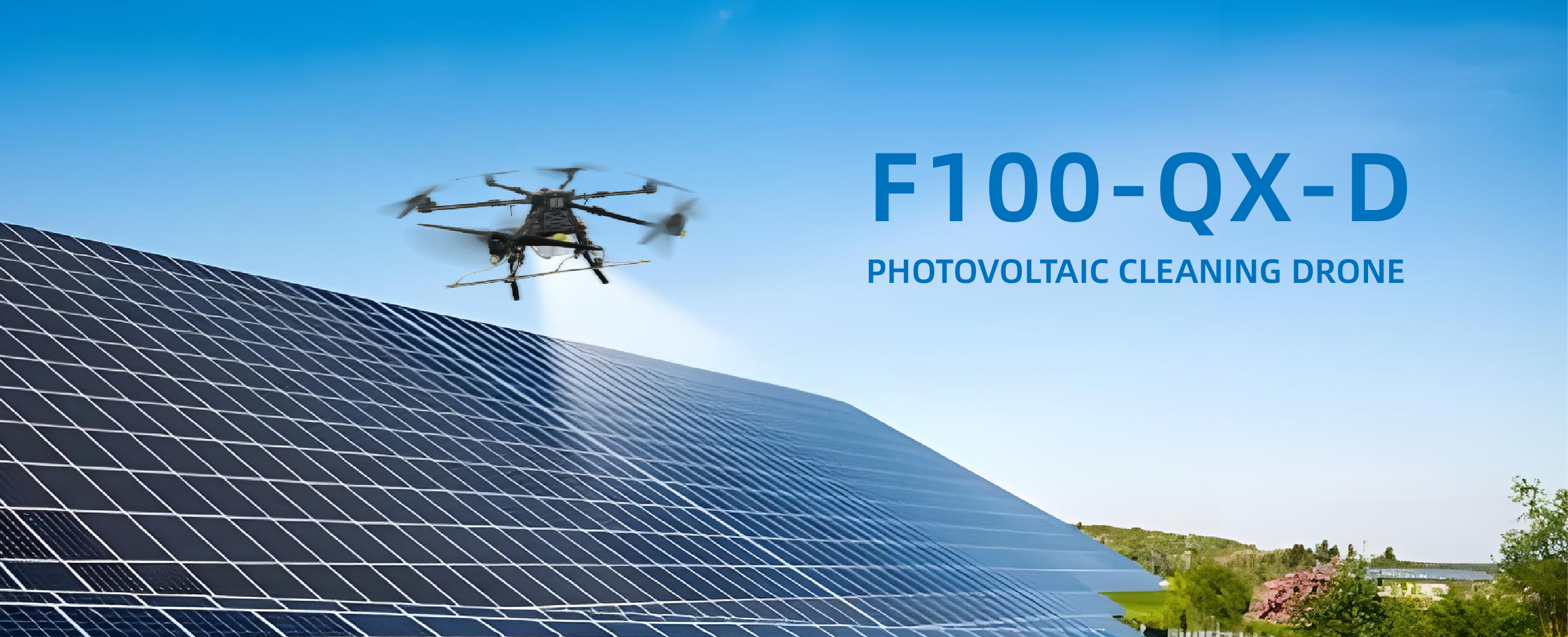
2. Solar Panel Cleaning Drones
-
Target: Large-scale solar farms (especially in dusty regions) and rooftop panels.
-
How: Typically use air-blowing technology (powerful downward air jets to blow dust away without contact) or a combination of soft brushes and light spray.
-
Benefits: Can clean vast arrays much faster than manual crews, with no risk of panel damage from walking on them. Crucial for maintaining energy efficiency.
3. Industrial & Infrastructure Drones
-
Target: Ship hulls, storage tanks, silos, bridges, wind turbine blades.
-
How: Often more robust, using high-pressure water jets or abrasive brushes to remove rust, marine growth, or heavy grime.
-
Benefits: Access confined or hazardous spaces without putting workers at risk.
4. Indoor Cleaning Drones (Less Common/Developmental)
-
Target: Large indoor spaces like airports, warehouses, stadiums.
-
How: Function as flying Roombas, using suction and brushes for floors, or as disinfectant sprayers for high ceilings.
-
Challenge: Indoor GPS-free navigation is complex and safety regulations are stringent.
Advantages
-
Safety: Reduces or eliminates the need for workers at heights or in confined/dangerous spaces.
-
Efficiency & Speed: Can clean large areas (like solar farms) 2-5 times faster than manual methods.
-
Cost-Effectiveness: Lower labor costs and no need for expensive physical access equipment (scaffolding, boom lifts).
-
Accessibility: Can reach areas that are otherwise extremely difficult or impossible for humans.
-
Water Conservation: Many systems are closed-loop, recycling up to 80-90% of the water used.
Challenges & Limitations
-
Flight Time & Payload: The biggest constraint. Battery life is typically 15-30 minutes. Carrying heavy water/cleaning fluid limits operational time.
-
Weather Dependence: Wind, rain, and temperature extremes can ground flights.
-
Precision & Damage Risk: Incorrect programming or a sensor failure could cause the drone to collide with and damage the surface it's cleaning.
-
Regulation: Operating large drones, especially near people or urban areas, requires permits and adherence to strict aviation rules.
-
Initial Investment: High-quality industrial cleaning drones are expensive ($10,000 to $50,000+).
-
Surface Variability: A drone programmed for flat glass may struggle with curved or highly textured surfaces.
The Future & Key Players
-
Technology Trends: Longer battery life (hybrid fuel cells), better AI for autonomous dirt detection, swarming technology for multiple drones to work together, and advanced sensing (ultrasonic, LiDAR) for perfect surface following.
-
Leading Companies: Companies like Aerones (heavy industrial), Solaire (solar cleaning), Skypick (indoor logistics/cleaning), and Ecocopter are pioneers. Many traditional drone companies (DJI) provide platforms that can be customized for cleaning.